
Selecting Flooring for a Healthier Home Environment
Since flooring is one of the largest surfaces in your home, it has a bigger effect on your indoor air quality than you might think. Dust, dirt particles, pet dander, and other allergens can build up on your floors. Every step stirs them into the air you breathe.
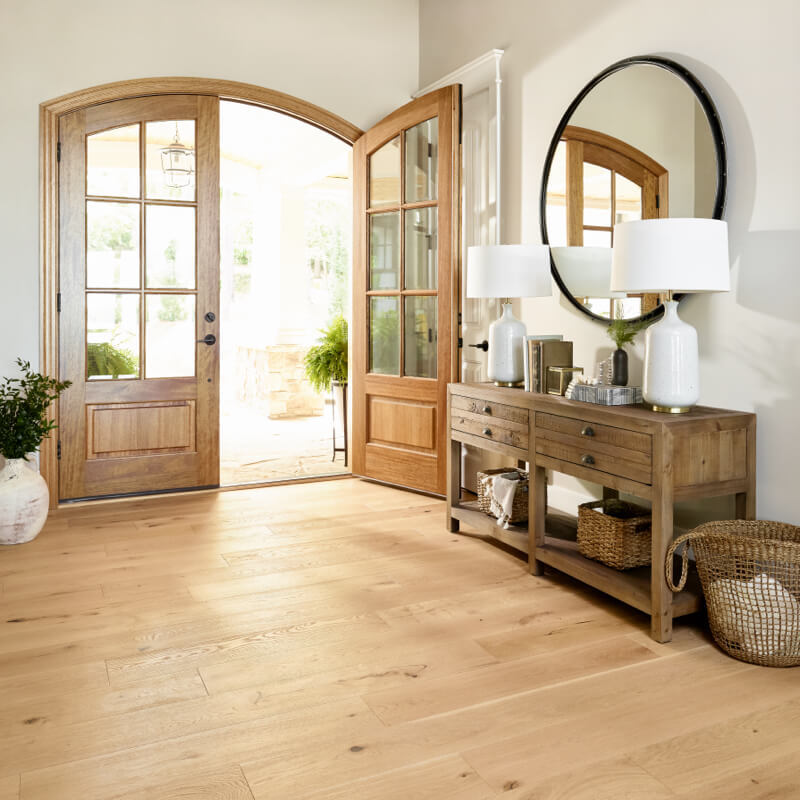
Even if allergies are not a concern in your household, the condition of your flooring still affects how fresh and clean your home feels. Some materials hold onto debris until it is removed. Others allow it to shift and circulate with everyday movement. The type of flooring you choose, along with how you care for it, plays an ongoing role in your indoor air quality long after installation day has passed.
Managing Dust and Allergens on Your Floors
Dust and allergens are part of daily life. They enter your home through open doors, windows, shoes, clothing, and pets. Once inside, those particles settle onto surfaces. The type of flooring you choose influences whether debris stays contained until you clean it or shifts around with everyday activity.
How Flooring Handles Dust and Allergens
In rooms with carpet, the fibers act as a natural filter. They hold onto dust and allergens at the ground level, keeping them from floating up into the air you breathe. However, these particles stay in the fibers until they are physically removed.
On hard surfaces like hardwood or luxury vinyl, there is nothing to hold the dust in place. A simple draft or a person walking by can cause these particles to move freely across the floor and back into the air.
- Carpet and Rugs: Fibers capture pollen and dander until vacuumed, which can help contain particles, but these materials require consistent cleaning.
- Hardwood: Smooth surfaces make debris easy to see and sweep, though particles can travel more easily between cleanings.
- Luxury Vinyl and Laminate: Similar to hardwood, these surfaces allow for quick removal with sweeping or damp mopping.
- Tile: Resistant to buildup on the surface, though grout lines require regular maintenance to prevent fine dust from collecting in the joints.
Choosing the Right Vacuum
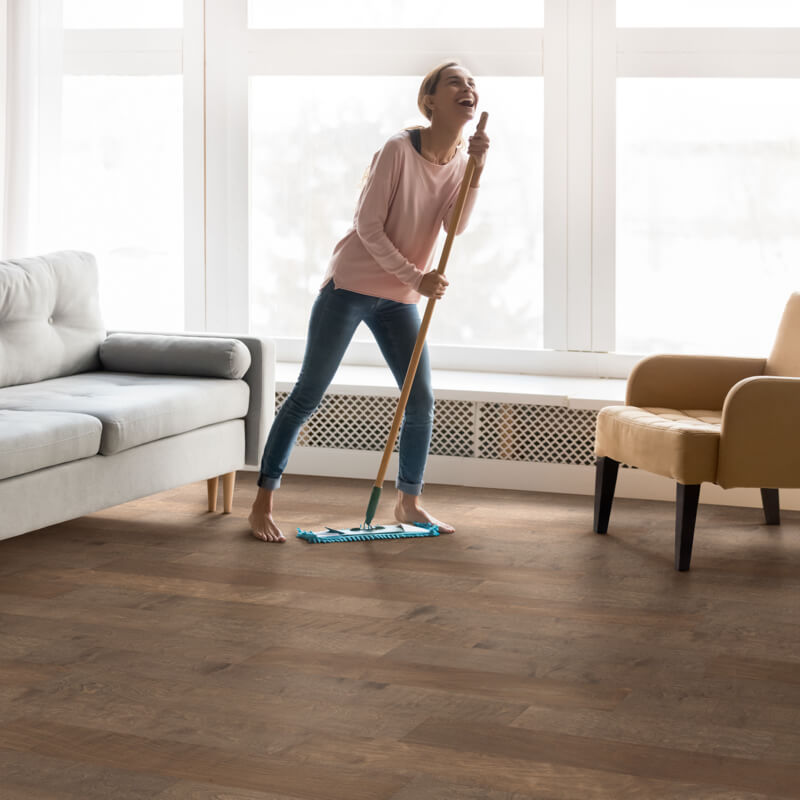
Regardless of the floor type you choose, effective vacuuming is a primary step in improving indoor air quality. A vacuum equipped with a HEPA filter captures very fine particles and prevents them from being released back into the air during use.
Without proper filtration, vacuuming can often stir up allergens rather than removing them. For hard floors, using a microfiber dust mop is an excellent daily habit, as the fibers are designed to grab and hold debris before it becomes airborne.
Managing Odors and Cleaning Chemicals
Beyond dust and pollen, the air quality in your home is affected by how your floors interact with scents and the products you use to maintain them. Some materials are naturally more absorbent, while others provide a sealed surface that prevents odors from taking hold.
How Floors Absorb and Release Smells
Materials like carpet and older, unsealed hardwood are porous, meaning they have tiny openings that can trap particles from the air. Over time, these surfaces can soak up everyday household odors from cooking oils, wood-burning fireplaces, or pets.
While you might not notice these scents immediately, they can be released back into the air long after the original source is gone. If maintaining a neutral-smelling home is a priority, non-porous options like luxury vinyl, tile, or modern pre-finished hardwood are often easier to keep fresh because they provide a solid barrier against odor absorption.
The Impact of Cleaning Products
Unfortunately, sometimes the products used to ‘clean’ a floor can lower the air quality as well. Many traditional floor cleaners, waxes, and ‘freshening’ sprays contain Volatile Organic Compounds (VOCs) and heavy synthetic fragrances.
When these products are applied to a large surface area like a floor, they release chemicals into the air. For individuals with respiratory sensitivities or asthma, these lingering chemical scents can be irritating.
Healthier Maintenance Habits
You can maintain a high standard of cleanliness without compromising your indoor air. Using high-quality microfiber mops and plain water is often enough to remove most household dirt from hard surfaces.
If a cleaning solution is necessary, look for pH-neutral and non-toxic options that are specifically labeled as low-emission. These products are designed to break down dirt without leaving behind a trail of synthetic chemicals.
Moisture, Mold, and Hidden Air Quality Risks
Moisture is another factor that can quietly influence the air inside your home. Even small amounts of water that remain trapped beneath flooring materials can create conditions where mold and mildew develop out of sight. Carpet padding, subfloors, and even the space beneath waterproof plank flooring can hold moisture if spills, leaks, or humidity are not addressed quickly. Because these problems often occur below the visible surface, they may affect air quality long before the source becomes obvious.
To reduce the risk, address spills and leaks as soon as they occur and allow floors to dry completely after cleaning. Pay attention to signs such as persistent musty odors, unexplained dampness, or flooring that feels slightly soft underfoot. In areas that naturally collect moisture, such as bathrooms, laundry rooms, and entryways, maintaining proper ventilation and controlling humidity can help prevent moisture from settling beneath the floor.
Basements and Humidity
Lower levels of the home are naturally more vulnerable to moisture. Basements tend to have cooler temperatures and higher humidity levels, which can allow dampness to linger beneath flooring if proper precautions are not taken. Using the correct underlayment during installation helps create a barrier between the subfloor and the finished surface, reducing the chance of moisture buildup.
Managing humidity is equally important after installation. Running a dehumidifier, improving ventilation, and addressing small leaks quickly can prevent musty odors and keep moisture from settling into the flooring system.
Flooring Choices That Support Healthier Indoor Air
The materials used to make your flooring can influence the air inside your home over time. Some options are manufactured with lower chemical emissions and are a good choice for households that want to prioritize indoor air quality. Solid hardwood, ceramic or porcelain tile, and natural stone are generally considered low-emission materials when properly finished. Many modern carpet products and luxury vinyl floors are also manufactured in low-VOC versions, especially those labeled with certifications such as FloorScore or GREENGUARD.
Adhesives and Installation Products
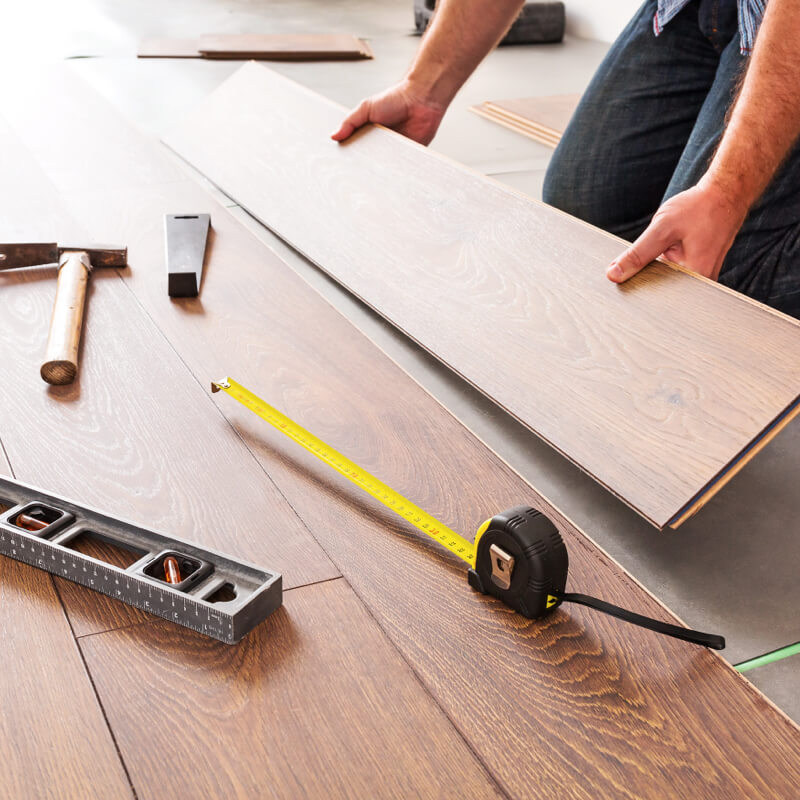
Installation methods can also affect the air inside your home, particularly when adhesives or solvents are involved. Some flooring installations require glues or bonding agents that release fumes while they cure. Whenever possible, ask about low-VOC adhesives or installation systems such as floating or click-lock floors that require little to no glue. Professional installers typically recommend ventilating the space well during and after installation so any odors can dissipate.
Creating a Healthier Home with the Right Flooring
Indoor air quality is shaped by the surfaces in your home, especially your flooring. The material you choose, the way it handles dust and moisture, the products used to maintain it, and the methods used during installation all contribute to the air you breathe every day. When you take these factors into account alongside your lifestyle and room needs, you can select a floor that fits both your design goals and your household routines.
At Thornton Flooring, we can walk you through low-VOC materials, explain installation choices, and help you evaluate products that support your indoor air quality goals. Visit us in Sioux Falls, SD to see the textures, ask questions, and move forward with confidence.